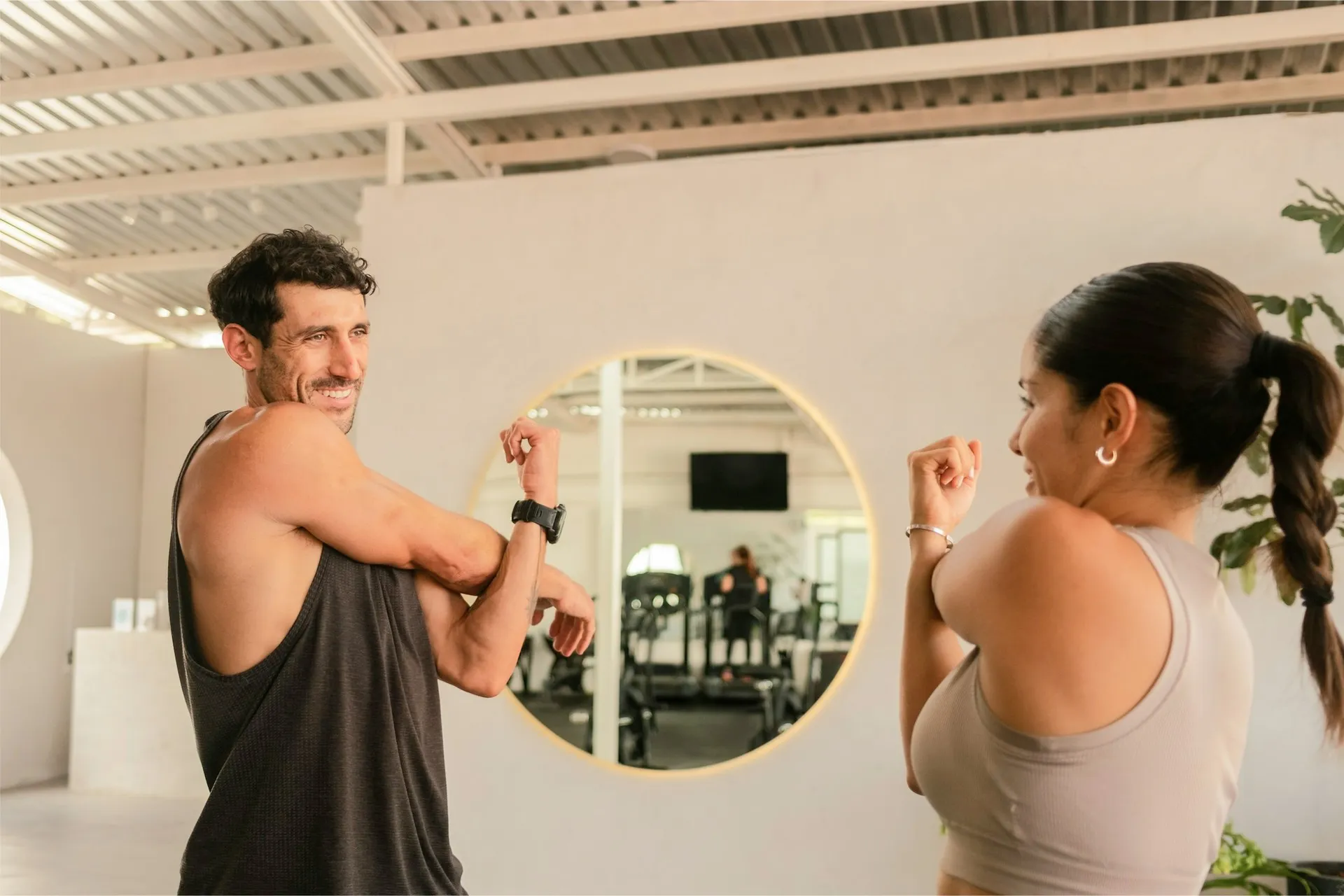
5 Post-Recovery Stretches Every Athlete Should Know
Date Published:
10 Apr 2026

Article Summary
Key Takeaways
- Stretching after recovery sessions accelerates healing: Gentle, targeted stretches help restore blood flow, reduce muscle stiffness, and support your body's natural repair process after sports injuries or intense training.
- Each stretch should be tailored to your body and your sport: A hamstring stretch that works for a runner may not suit a swimmer. Personalised guidance from an experienced physiotherapist at your local physiotherapy clinic ensures you're targeting the right areas safely.
- Consistency matters more than intensity: Holding a stretch for 30–60 seconds, performed daily, delivers better long-term flexibility and injury prevention than occasional deep stretching.
- Knowing when and how to stretch prevents re-injury: Stretching too aggressively or too soon after an injury can set you back. A proper assessment of your recovery stage is essential before adding stretches to your routine.
You've done the hard work. You've shown up to your physio appointments, followed your rehab program, and pushed through the days where progress felt painfully slow. Now that you're on the other side of recovery, how do you keep your body moving well and reduce the risk of getting injured again?
That's where post-recovery stretching comes in. At n1 physio, we see it all the time: clients who've made incredible progress through their injury rehabilitation, only to fall back into old habits once they start feeling better. The truth is, recovery doesn't end when the pain stops. It continues with how you care for your body and your health every single day.
These five stretches are ones our experienced physiotherapists regularly recommend to clients at our Penrith physiotherapy clinic. They're designed to maintain the mobility, flexibility, and control you've worked hard to rebuild, whether you're returning to weekend football on the sporting field, hitting the gym, or simply getting back to moving without limitation.
A quick note before you begin: every body is different, and these stretches are general recommendations. If you're unsure whether a particular stretch is appropriate for your stage of recovery, speak with your physiotherapist for a proper diagnosis and assessment first. Patient education is a core part of how we treat, we want you to understand the "why" behind every exercise.
1. Standing Hamstring Stretch
Why it matters: Tight hamstrings are one of the most common sports injuries we see in clients recovering from lower back, hip, or knee injuries. When the hamstrings shorten during periods of reduced activity, whether from prolonged sitting at a desk or resting post-surgery, they pull on the pelvis and lower spine, which can create a chain reaction of compensatory movement patterns. Addressing these challenges early is key to preventing chronic issues down the track.
How to do it: Stand tall and place one heel on a low step or raised surface in front of you. Keep your standing leg slightly bent and your back straight. Hinge forward gently from the hips, not the lower back, until you feel a comfortable stretch along the back of your raised leg. Hold for 30–60 seconds on each side.
What to watch for: Avoid rounding your shoulders or forcing the stretch. If you feel any sharp pain behind the knee or in the lower back, ease off and adjust the height of your raised leg. This stretch should feel like a gentle pull, never pain.
Our sports physiotherapists often pair this stretch with glute activation exercises to address the full posterior chain, a combination that's particularly effective for runners and field sport athletes recovering from hamstring strains. Advanced strength testing and movement analysis help us personalise rehabilitation programs that target specific weaknesses and restore function.
2. Hip Flexor & Psoas Stretch
Why it matters: Whether you sit at a desk for work or you've been resting during recovery, your hip flexors are likely tighter than they should be. Prolonged sitting is one of the leading contributors to hip flexor tightness in both professional athletes and everyday patients. The psoas muscle, which connects your lower spine to your femur, plays a critical role in everything from walking to sprinting. When it's tight, it can tilt your pelvis forward and increase stress on your lower back.
How to do it: Kneel on one knee with the other foot flat on the floor in front of you, forming a 90-degree angle at both knees. Tuck your tailbone slightly and gently shift your weight forward until you feel a deep stretch through the front of your back hip. For a deeper stretch, raise the arm on the same side as your back knee overhead and lean slightly to the opposite side. Hold for 30–60 seconds on each side.
What to watch for: Keep your core engaged throughout. If you have a history of knee or joint injuries, place a folded towel under your back knee for comfort. This stretch should create a lengthening sensation through the front of the hip, not compression in the lower back.
This is one of the most prescribed stretches in our sports physiotherapy services, particularly for athletes returning from groin injuries, hip impingement, or lower back pain. Our hands-on approach to injury management means we assess each patient's unique biomechanics before prescribing any exercise.
3. Thoracic Spine Rotation Stretch
Why it matters: Your thoracic spine, the mid-back region, is designed for rotation. But after injury or prolonged rest, this area tends to stiffen up, which forces the lower back and shoulders to compensate. Restoring thoracic mobility is essential for overhead athletes, swimmers, and anyone returning to sports that involve twisting or throwing. Left untreated, this stiffness can contribute to shoulder pain and chronic discomfort.
How to do it: Lie on your side with your knees bent at 90 degrees and stacked on top of each other. Extend both arms in front of you at shoulder height. Slowly open your top arm, rotating through the mid-back, and reach toward the opposite side of the floor. Follow your hand with your eyes and allow your chest to open fully. Hold for 3–5 seconds, then return to the starting position. Repeat 10–12 times on each side.
What to watch for: Keep your knees pressed together throughout the movement, this isolates the rotation to the thoracic spine rather than the lower back. If you hear clicking or feel a block, don't force through it. Mention it to your physiotherapist at your next session so they can complete a thorough assessment.
At our Penrith and South Penrith clinics in Western Sydney, we frequently incorporate thoracic mobility work into return-to-sport programs for cricket players, tennis players, and contact sport athletes who need full rotational range.
4. Calf & Achilles Stretch (Wall Lean)
Why it matters: The calf complex, which is made up of the gastrocnemius and soleus muscles, absorbs enormous force during activities like running, jumping, and even walking. After an ankle sprain, Achilles tendon injury, or any lower limb sports injury that's limited your movement, the calves often lose both flexibility and load-bearing capacity. Stretching them regularly helps restore both and is a key component of ongoing injury management.
How to do it: Stand facing a wall with your hands resting against it at shoulder height. Step one foot back, keeping the heel pressed firmly into the floor and the back leg straight. Lean forward into the wall until you feel a stretch through the back of your lower leg. Hold for 30 seconds. Then, slightly bend the back knee while keeping the heel down to shift the stretch deeper into the soleus and Achilles tendon. Hold for another 30 seconds. Repeat on the other side.
What to watch for: If you're recovering from an Achilles tendon issue, be mindful of how deeply you stretch. Your physiotherapist can advise on whether this stretch is appropriate for your current phase of injury rehabilitation, as overstretching a healing tendon can be counterproductive.
Our exercise physiologists often integrate progressive calf loading alongside this stretch as part of structured return-to-running programs, a combination that helps rebuild the tendon's capacity to handle impact forces. This progressive approach to rehab is what separates a good outcome from a great one, and our commitment to evidence-based solutions means every step is guided by data.
5. Pec & Anterior Shoulder Stretch (Doorway Stretch)
Why it matters: Rounded shoulders and a tight chest are common after upper body sports injuries, surgery, or even just from spending time in a protective posture during recovery. When the pectoral muscles and anterior shoulder structures shorten, they pull the shoulders forward, limiting overhead mobility and increasing the risk of shoulder pain, shoulder impingement, or rotator cuff strain.
How to do it: Stand in an open doorway. Place your forearms on each side of the door frame, with your elbows at shoulder height and bent at 90 degrees. Step one foot through the doorway and lean gently forward until you feel a stretch across your chest and the front of your shoulders. Hold for 30–60 seconds. To target different fibres of the pectoral muscle, try adjusting your elbow position, higher targets the lower fibres, and lower targets the upper fibres.
What to watch for: Don't push into pain. If you've had shoulder surgery or a dislocation, confirm with your treating physiotherapist that your range of motion is ready for this level of stretch. Overstretching before the tissue has healed sufficiently can compromise your recovery.
This stretch is a staple in our rehabilitation programs for clients recovering from rotator cuff repairs, shoulder dislocations, and postural-related neck pain, particularly for desk workers and elite overhead sport athletes. Dry needling and remedial massage therapy can also complement stretching by releasing tight trigger points that restrict movement and enhance your overall flexibility.
When to Add Stretching to Your Injury Rehabilitation Plan
Knowing when to introduce stretching is just as important as knowing which stretches to do. A holistic, patient-centred approach to injury rehabilitation focuses on identifying and addressing the root cause of your symptoms, not just treating the area that hurts. Your physiotherapist will use a combination of assessment, diagnosis, and clinical reasoning to determine the right time to progress from treatment to active recovery.
At n1 physio, cutting-edge rehabilitation technology is employed to design individualised and progressive programs that restore strength and mobility. Whether you're a weekend warrior, an elite athlete, or a private patient recovering from everyday strain, the goal is always the same: to get you back to full health and keep you there. Our commitment to providing tailored solutions for every patient is what sets us apart.
Making Stretching Part of Your Routine
The best stretching routine is the one you actually stick to. You don't need to spend an hour on the floor every evening. Even 10–15 minutes of targeted stretching after a warm shower or light activity can make a meaningful difference to your long-term mobility and injury prevention.
If you're unsure about which stretches are right for your body, or you want a personalised post-recovery plan that accounts for your specific injury history, movement patterns, and sporting goals, our team at n1 physio is here to help. With extensive experience across sports physiotherapy, exercise physiology, and remedial massage therapy, our combined experience means you receive the highest quality care from practitioners who understand the demands of your sport and are dedicated to your ongoing health.
We treat every patient as an individual, because at n1 physio, you're not one of many. You're one of one. Our physiotherapy clinics are conveniently located in Penrith and South Penrith, in the heart of Western Sydney, making it easy to access the expert treatment you need. To find out more, book an appointment at a time that suits you, we're committed to making quality physiotherapy accessible for every member of our Sydney community.
Next Steps

Related Articles
Discover More Related Articles
Explore more expert advice on managing pain, moving well, and feeling more like you. Our team shares practical, evidence-informed guidance to help you understand your body and take the next step with confidence.

Our Guide to Sports Physiotherapy
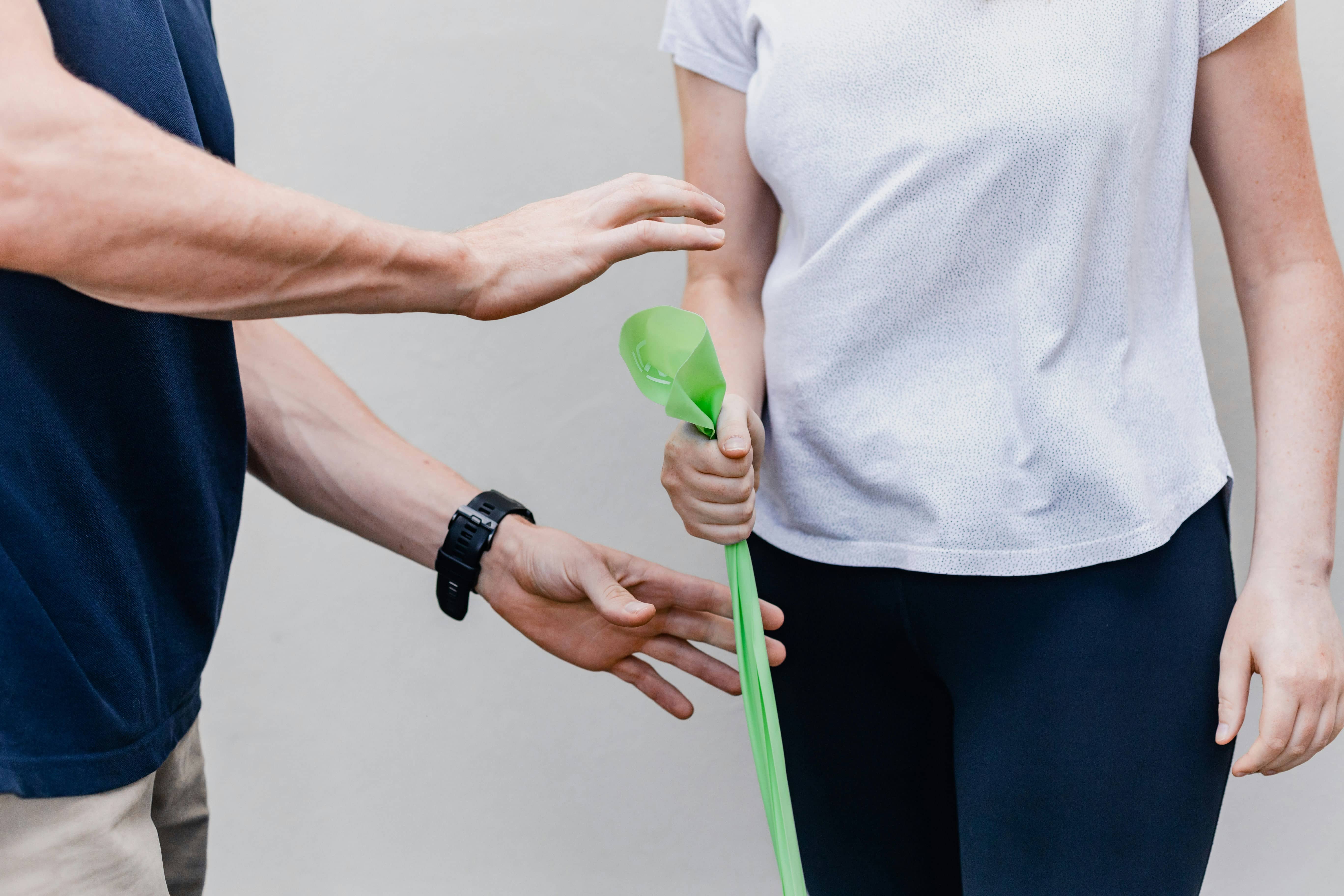
The Benefits of Pre-Season Screening

5 Exercises to Rehab Common Injuries: A Penrith Exercise Physiology Guide
Related Articles
Discover More Related Articles
Explore more expert advice on managing pain, moving well, and feeling more like you. Our team shares practical, evidence-informed guidance to help you understand your body and take the next step with confidence.
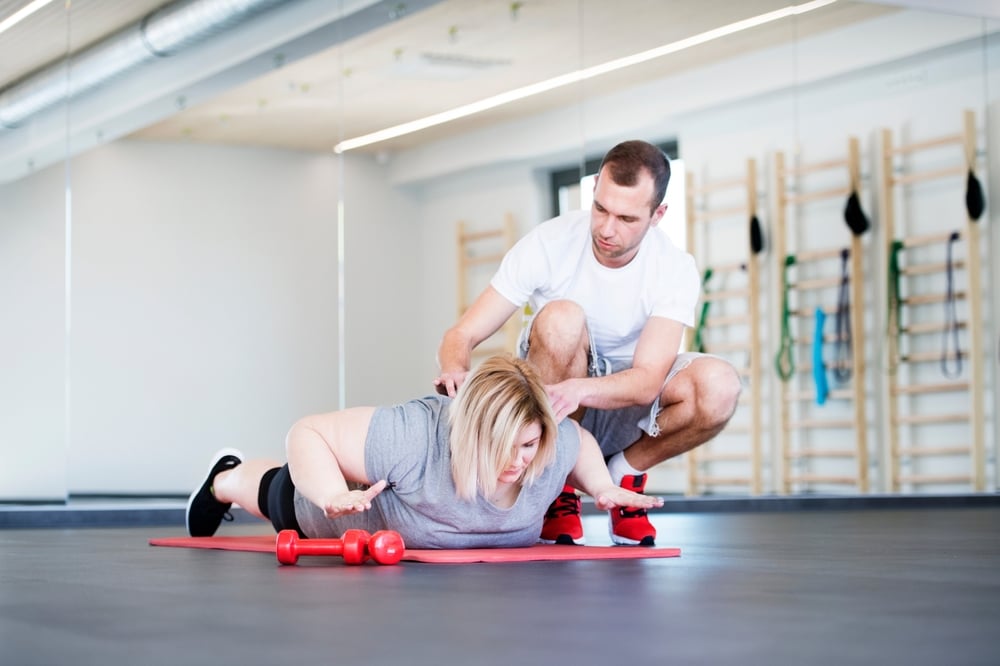
Heading
Locations
Where to Find Us
We’re here for you at both our Penrith and South Penrith practices.

Penrith
105/64-68 Derby St, Kingswood NSW 2747

South Penrith
Southlands Shopping Centre
T11/2 Birmingham Rd, South Penrith NSW 2750
Let's Talk
Ready to Put Knowledge Into Action?
Our blogs give you the tips, but real progress comes with the right support. At n1 Physio, we tailor treatment and guidance to your goals, so you can move better, recover faster, and stay strong. Book your session today and take the next step toward lasting results.